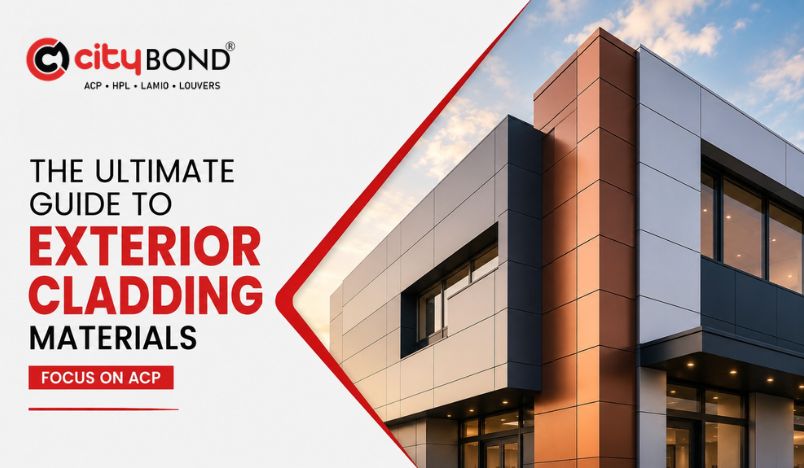
Exterior cladding is the outer cover put on a building’s front side. It has roles of both guarding and embellishing. This layer protects the construction from weather conditions, wetness and changes in temperature while setting up the visual style of the property. Picking proper material for cladding is among the most crucial choices in any building or upgrading task because it strongly impacts how long-lasting it will be, what level maintenance requires and its overall attractive look.
What Is Exterior Cladding and Why Does It Matter
Cladding serves as the initial protector against exposure to the environment. Rain, wind, UV rays and moisture can slowly damage a structure that is not shielded. A proper cladding system stops water from entering, enhances heat insulation and lowers maintenance expenses over time. In addition to providing protection, it significantly changes the appearance of a building. This makes it an important part in both house and business architecture.
Timber Cladding
Wood is still a very favored choice for cladding because of the natural warmth and beauty it gives. It can fit nicely with both old-fashioned and modern designs. When timber gets proper treatment, it can stand up to wetness and bugs quite well. But, it needs regular care like staining, sealing or painting to keep its look and structure in good condition. Engineered wood substitutes give a similar appearance but with better resistance against warping and swelling.
Fibre Cement Cladding
Fibre cement is composite stuff, made from cement, sand and fibres of cellulose. It has high durability and resistance to fire, almost not affected by water or bugs. This material imitates the appearance of wood, stone or brick but without demands for maintenance associated with those materials. Fiber cement is a sensible selection for places having severe weather conditions and it fits amazingly well with both new constructions and retrofit projects.
Metal Cladding
Cladding panels made from aluminium and steel are preferred in contemporary and industrial type architecture. Metal cladding is light, requires little maintenance and does not succumb to rot or pests. It provides great durability and can be powder coated in many colours and finishes. Variations of steel offer extra strength, but aluminium is chosen more often because it resists rust. This trait is particularly important in coastal areas where the air has a lot of salt due to the sea.
Stone and Brick Cladding
Natural stone and brick cladding give an everlasting, high-quality look to any facade. Stone gives unmatched strength and needs very little maintenance after it is put in place. Brick cladding offers great thermal mass and strongly resists fire as well as weather changes. Both materials, stone and brick, contribute greatly to visual weight and texture. Systems using thin stone veneer or brick slips make it possible for these traditional looks to be used on modern light construction frames.
Vinyl and PVC Cladding
Vinyl cladding is a very cost-effective and easy maintenance choice. It doesn’t rot, crack or need paint, which makes it a sensible solution for projects with limited budget. Today’s vinyl products are available in many shapes and colours that realistically imitate wood and other surfaces. Vinyl may not be as strong as metal or fibre cement under extreme heat or cold, but it works well in average weather conditions and is simple to put in place.
Choosing the Right Cladding for Your Project
The perfect material for cladding relies on various things such as the weather, budget, style of architecture and how much maintenance one can handle. In places with a lot of humidity or near to coastlines, it is better to use materials that resist moisture like fibre cement or metal. For properties which are heritage-based or traditional ones timber or stone gives an appearance that’s more genuine. You should always think about long-term performance instead of just initial cost. Good quality cladding can lower the expenses for repairs and it gives enduring value to your property.
