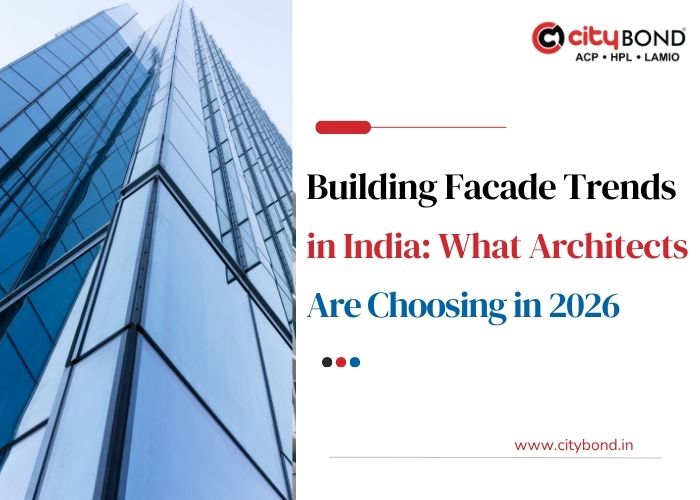

In India, the facade design has greatly changed to more daring combinations of glass and metal. Designers are using reflective glass panels together with brushed aluminium or corten steel frames for making structures that seem modern but still contextually appropriate. This combination gives great resistance against weather while keeping a sharp visual appearance. Commercial towers and mixed use developments across major metros are increasingly adopting this approach as a primary design language.
Ventilated Facades Are Becoming the Standard
In India, the climate makes thermal comfort very important. Ventilated facade systems have become a useful solution for this problem. These setups form an air gap between outside cladding and the building wall which lets heat disperse naturally before it can reach inside spaces. Architects who design office buildings and residential complexes in places like Hyderabad, Pune and Chennai are increasingly choosing these ventilated facades because they want to save energy as well as reduce maintenance work over time.
Terracotta Cladding Is Making a Strong Comeback
In 2026, one of the fascinating trends is the fresh enthusiasm for using terracotta as a facade material. The modern use of terracotta panels differs greatly from traditional methods. They are meticulously manufactured, available in numerous natural shades and designed to maintain their shape even under extreme heat conditions. Terracotta attracts architects due to its link between modern Indian structures and local material customs. It also offers excellent thermal mass characteristics and a visually warm outer look.
Green Facades and Biophilic Design Are Gaining Ground
City heat islands, air cleanliness issues and health-focused design briefs have moved green facades into common architectural practice. Living walls, vertical gardens and planter integrated facade systems are showing up on company campuses, hospitality projects and high-end residential towers. The inclusion of greenery in building envelopes is no longer a visual surprise. More and more, it is included in project details as a tangible strategy for sustainability. This is notably observed in the developments of Bangalore, Mumbai and Delhi NCR.
Textured and Patterned Concrete Is Redefining Facades
Concrete with exposure and texture has discovered new importance in Indian facade design. Architects are shifting away from simple finished surfaces, instead exploring concrete shaped by boards, bush hammered finishes and custom patterns from formwork that make rich shadow effects across elevations. This method fits especially well to India’s strong sunlight conditions because the mixture of light and texture brings life to facade surfaces throughout the day without needing extra cladding materials or surface treatments.
Smart Facades With Integrated Shading Are on the Rise
The smartness of buildings is now extending to the outer layer. Technologies like electrochromic glass, motorised external louvers and moving shading systems are being included in high-end commercial and institutional projects. These technologies enable the facades to react dynamically based on sun angle, temperature and preferences of those occupying the space. Though expense is still a factor, the decreasing cost of automation parts and increased understanding about energy savings in operations are speeding up use across big developments in top Indian cities.
Regional Context Is Shaping Facade Choices More Than Ever
Maybe the biggest change is seeing how much regional climate, culture and available materials are now impacting facade choices. Architects in Rajasthan use textures inspired by sandstone and passive shading tools. Teams working on coastal projects focus on cladding systems that resist salt damage. Developments in hill stations prefer exteriors highlighted with timber. This regional awareness signifies a significant shift from the consistent glass box style that was prevalent in Indian city construction during the last decade and it indicates a growing design culture throughout the nation.